Personal Injury SEO Strategies to Drive High-Value Cases
Why Car Accident Lawyer SEO Drives Better Cases
Why Car Accident Lawyer SEO Drives Better Cases
Car accident lawyer SEO is the work of improving your law firm's website, Google Business Profile, and local online presence so people searching for legal help can find and contact you.
For a solo or small personal injury firm, this matters because injured people commonly begin their search on Google. A strong organic presence can put your firm in front of local prospects at the moment they are comparing attorneys, checking reviews, and deciding who to call.
What effective car accident lawyer SEO does.
Effective car accident lawyer SEO does four things for your firm. It ranks your website for local, high-intent searches, putting you in front of people looking for a car accident attorney right now. It improves your visibility in Google Maps and local search results, helping nearby clients find your office and call quickly. It builds useful practice-area content that earns trust before the first consultation. And it creates lasting organic visibility that can keep generating leads long after paid ad spending stops.
I am Nick Saucier, an attorney and the owner of Bright Forge Digital Solutions, where I work with solo and small law firms outside Mississippi on practical digital marketing. My legal background and law-firm marketing work shape a
car accident lawyer SEO approach focused on local visibility, credible intake experiences, and measurable business results.
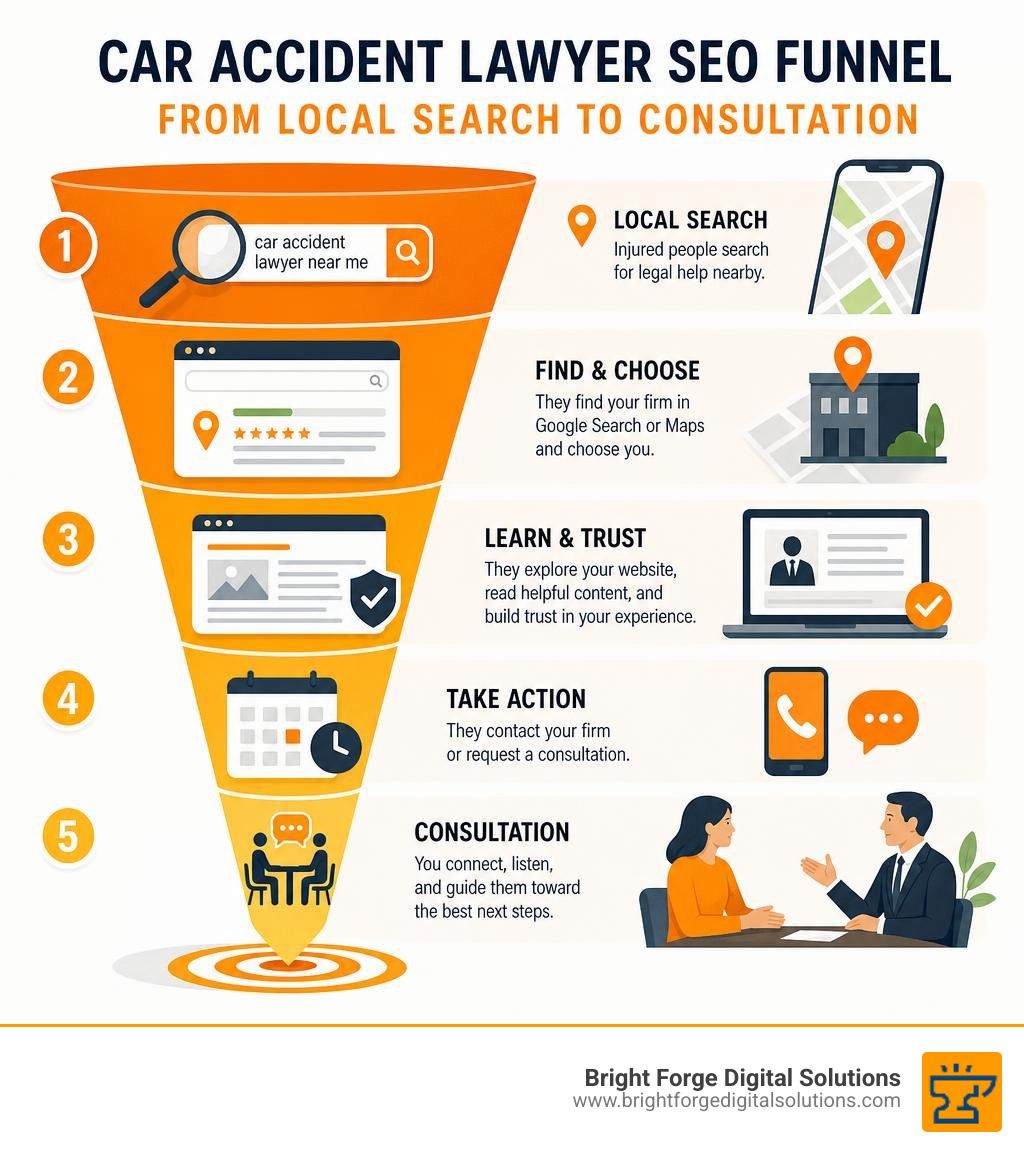
Fundamentals of Car Accident Lawyer SEO for High-Value Leads
Search engine optimization for motor vehicle accident firms is about meeting injured individuals precisely at their point of need. When someone is involved in a severe collision, they experience anxiety, physical pain, and overwhelming financial uncertainty. They need clear answers and an advocate they can trust immediately.
Executing a sustainable car accident lawyer SEO strategy ensures your law practice establishes top-of-page search visibility when prospective clients search for legal representation. Rather than relying entirely on temporary marketing campaigns, organic search engine optimization builds long-term digital asset value for your firm.
Why Personal Injury Law Firms Need Dedicated Search Visibility
Most individuals who suffer a personal injury turn directly to search engines like Google before ever speaking to a legal professional. In recent years, search behavior has broadened; injured parties frequently combine traditional Google queries with discussions on community forums like Reddit to read real experiences about insurance settlements, legal fees, and law firm reputations.
Because consumers consult multiple online touchpoints, possessing dedicated search visibility across both standard search results and local map packs establishes immediate credibility. High organic rankings act as implicit trust signals. Prospective clients naturally perceive top-ranking law firms as established authorities in their jurisdiction. If your firm does not appear when a victim searches for localized personal injury assistance, you forfeit those high-value case opportunities directly to competing practices in your metropolitan area.
Pay-Per-Click Ads vs. Long-Term Organic Search Performance
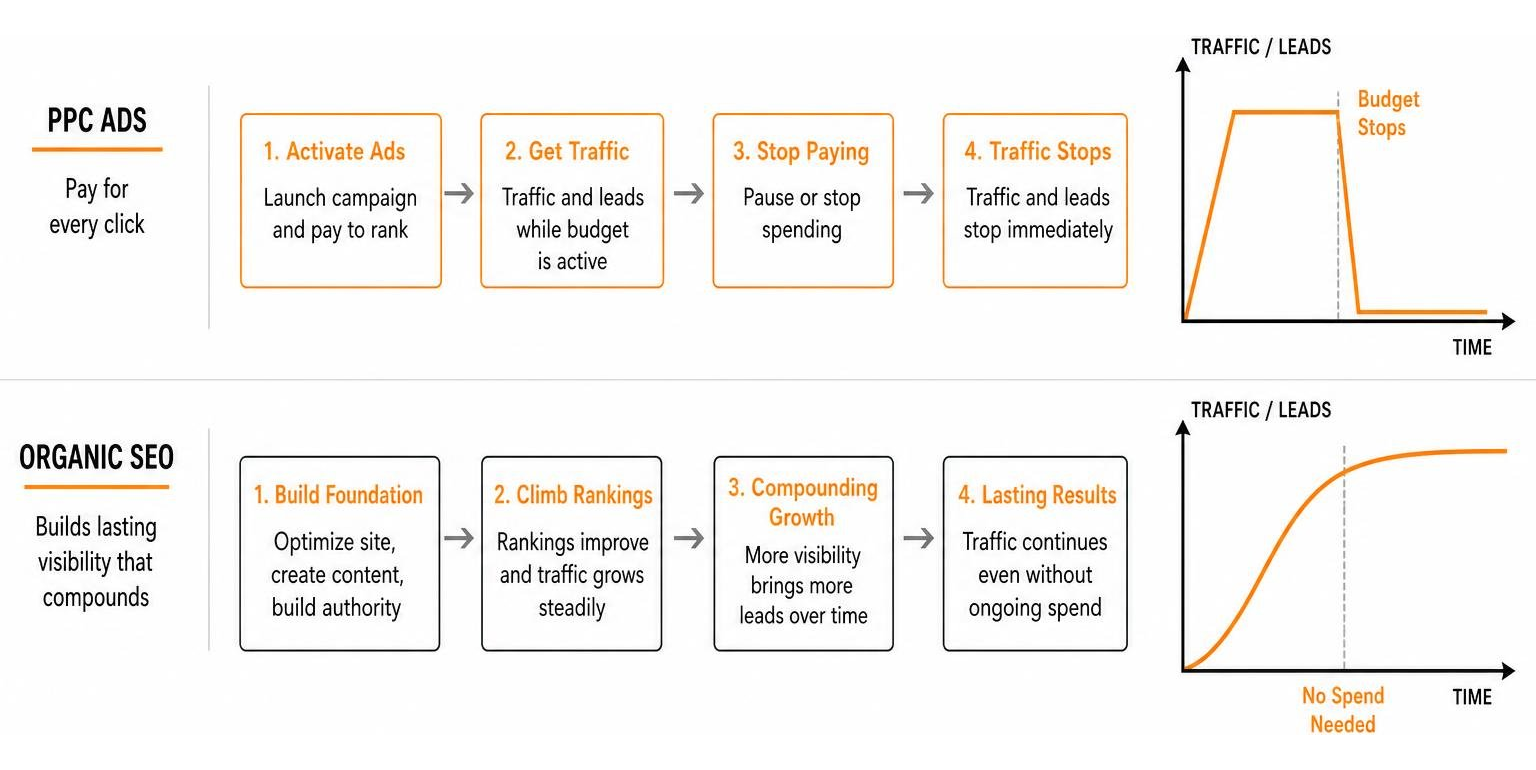
Pay-per-click (PPC) advertising and search engine optimization each play distinct roles in legal marketing, but their long-term economic profiles differ dramatically. Pay-per-click keywords in the personal injury sector are among the most expensive digital advertising keywords in existence. A single click for terms like "car accident attorney" can cost hundreds of dollars, and the lead generation engine completely shuts down the exact moment your daily advertising budget is exhausted.
Organic SEO operates on a compounding model. While building initial search engine authority takes disciplined effort and consistent optimization, once your website ranks near the top of organic search results, it works as a 24/7 lead intake engine without recurring cost-per-click charges. Over time, organic search delivers a significantly lower client acquisition cost and a far more sustainable return on investment. To eliminate financial risk while scaling organic rankings, many firms leverage performance-based models like
Pay Per Result SEO,
where you only pay when your targeted keywords successfully reach page one of Google.
Essential On-Page and Technical SEO Strategies for Personal Injury Firms
A successful search marketing foundation requires aligning your website's technical infrastructure and written content with modern search engine algorithms and user expectations.
Target High-Intent Keywords for Car Accident Lawyer SEO
Effective search engine optimization starts with precise keyword architecture. Not all website traffic is created equal; ranking for broad legal terms brings curious visitors, but targeting high-intent commercial keywords attracts people ready to hire an attorney today.
We categorize essential keywords into two primary strategic buckets:
- Transactional & Commercial Intent Keywords: These search phrases represent individuals actively seeking representation. Examples include "best car accident lawyer near me," "top auto injury attorney in [City]," or "car crash lawyer [City]."
- Informational & Long-Tail Queries: These searches come from individuals researching their legal rights immediately following a collision. Examples include "how much is my personal injury case worth," "who is at fault in a rear-end collision in [State]," or "how long do I have to file a car accident claim."
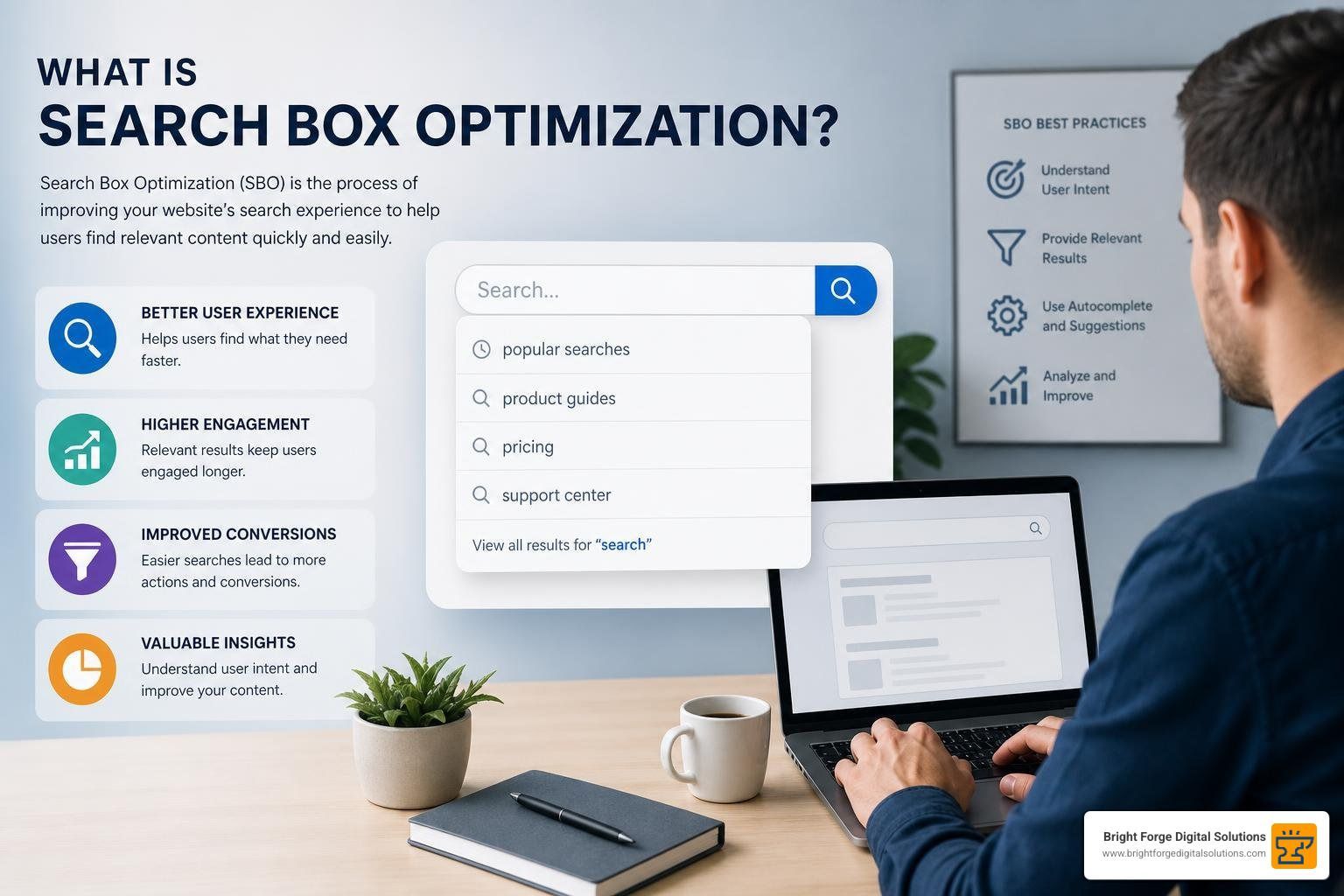
In addition to traditional search keywords, law firms must optimize for modern search behavior like Search Box Optimization (SBO), which positions your law firm name directly within Google's autocomplete suggestions as users type their queries.
Building Location-Specific Practice Pages and Silos
Search engines prioritize localized context when serving legal search results. If your firm represents clients across multiple cities, suburbs, or counties, relying on a single generic "Car Accidents" page is insufficient. You need dedicated geographic silos and specialized landing pages.
A well-structured content hierarchy uses clean URL patterns such as
/car-accident-lawyer-[city]
or
/truck-accident-lawyer-[suburb]
. Each location-specific practice page must contain unique, non-duplicative content tailored to that regional community. Mention local courthouse procedures, regional traffic statistics, specific dangerous intersections, and local municipal regulations. Pairing well-structured location pages with modern, high-converting design principles like those found in
Winning Websites
ensures visitors convert into phone consultations once they land on your site.
Technical Optimization: Speed, Mobile-Friendliness, and Schema Markup
Technical search engine optimization ensures search engine crawlers can efficiently index your content while delivering a frictionless user experience.
Key technical requirements for legal websites include:
- Page Load Speed: Google recommends page load times under 2.5 seconds. Injured mobile users dealing with slow page speeds will immediately bounce back to search results to click on a competitor's site.
- Mobile-First Responsive Design: Over 60% of legal queries originate on mobile devices. Tap targets, call buttons, and text contrast must be fully optimized for smartphone users.
- Structured Data (Schema Markup): Implementing
Schema.org JSON-LD code explicitly informs search engine bots about your legal practice. Utilize
LegalService,Attorney, andLocalBusinessschema types to define your office coordinates, business hours, service areas, and attorney credentials. - XML Sitemaps and HTTPS: Secure your domain with SSL encryption (HTTPS) and maintain an organized XML sitemap submitted directly via Google Search Console.
Dominating Local Search: Maps, GBP, and Citations
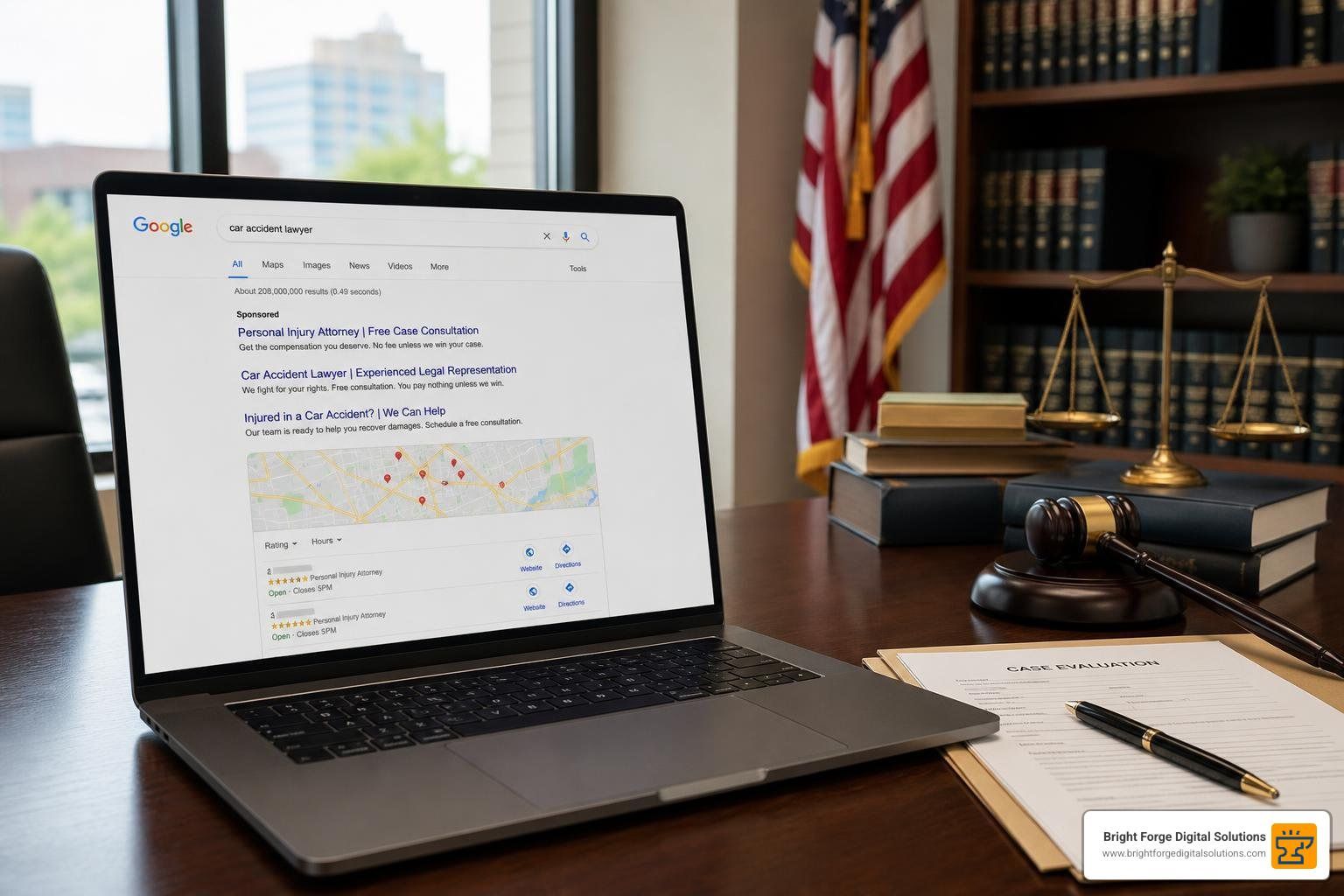
For motor vehicle injury attorneys, local search visibility often drives higher direct call volume than standard organic search listings. When users perform local searches like "car accident lawyer near me," Google displays the Local Map Pack (the top three local business listings) above traditional web results.
Google Business Profile Optimization for Motor Vehicle Accident Attorneys
Your Google Business Profile (GBP) is the cornerstone of local search engine optimization. To maximize rankings within the Google Map Pack, your firm must fully optimize every available profile setting:
- Primary and Secondary Categories: Select "Personal Injury Attorney" or "Law Firm" as your primary category. Add relevant secondary categories such as "Legal Services" or "Trial Attorney."
- Accurate Business Information: Complete every field accurately, including physical street address, local telephone number, business hours, and website URL. Avoid using virtual offices or post office boxes, as Google strictly enforces physical proximity and verification standards for legal listings.
- Media Uploads: Routinely upload high-resolution photos and videos showing your exterior building signage, reception area, attorney headshots, and team members to build trust and confirm physical operation.
- Review Engagement: Actively reply to all client reviews. Google's ranking algorithms value profile activity, and prospective clients read review responses to evaluate attorney empathy and professionalism.
To dive deeper into local search mechanisms, review our comprehensive resource on Local SEO for Law Firms – The 2026 Playbook to Get Found, Get Calls, and Get Clients.
NAP Consistency, Review Generation, and Legal Directories
Maintaining consistent business information across the web is essential for establishing local geographic authority. NAP consistency refers to keeping your business Name, Address, and Phone number 100% identical across every web directory, social media platform, and legal database.
- Legal Directory Citations (Yelp, Justia, FindLaw, Avvo, Lawyers.com)
- Local Chamber of Commerce listings
- Regional business indexing networks
- Google, Bing, and Apple Maps listings
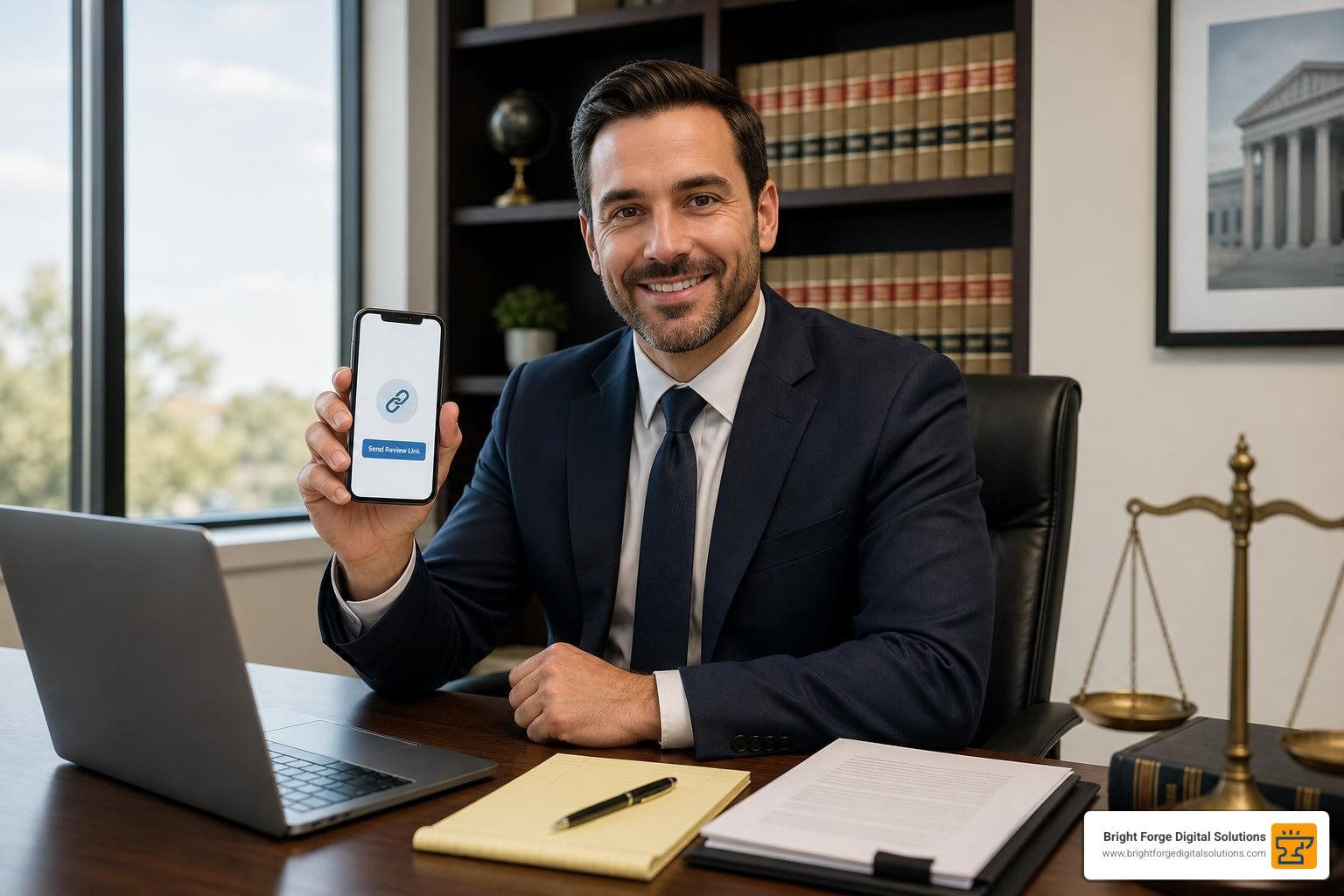
In addition to directory listings, legal practices must establish systematic strategies for gathering authentic client feedback. High review velocity—regularly receiving new 5-star Google reviews—signals business popularity and quality to search algorithms. Utilizing automated software solutions like Review Generation & Reputation helps streamline feedback requests, while maintaining updated entries through Business Listings & Voice Search ensures your law practice remains discoverable across screenless voice assistants like Siri and Alexa.
Advanced Tactics to Maximize Conversions and Authority
Driving search traffic to your website is only half the battle. To scale a personal injury practice efficiently, you must build domain authority through quality link acquisition and optimize user experiences to convert web visits into signed retainer agreements.
Strategic Link Building for Car Accident Lawyer SEO Campaigns
Backlinks—hyperlinks from external websites pointing toward your domain—act as votes of confidence in the eyes of search algorithms. However, in personal injury marketing, quality and relevance far outweigh raw quantity. Purchasing low-quality link packages or participating in spammy link schemes will trigger search engine penalties that ruin organic rankings.
Effective, white-hat link acquisition strategies for personal injury firms include:
- Legal Directory Profiles: Claiming verified profiles on reputable legal directories like Avvo, Justia, FindLaw, and state bar association listings.
- Community Sponsorships: Sponsoring local high school athletic programs, charitable events, or community road safety initiatives often earns clean, localized backlinks from educational (.edu) and non-profit (.org) websites.
- Legal Thought Leadership: Authoring guest editorials or legal news analysis for regional business journals, legal publications, or local news outlets.
- Resource Page Outreach: Creating comprehensive local safety guides (e.g., "Most Dangerous Intersections in [City]") that local news outlets and community bloggers naturally link to as references.
Conversion Rate Optimization (CRO) to Turn Visitors into Signed Clients
Traffic without client intake achieves nothing. Conversion Rate Optimization (CRO) focuses on turning website visitors into phone calls and contact form submissions.
The difference between a standard legal web page and a high-converting injury landing page comes down to a few key choices. Where a typical page hides the phone number in the footer, a high-converting page puts a prominent click-to-call button in the header. Where a typical page presents dense blocks of complex legal jargon, a high-converting page uses scannable headers, bullet points, and plain English. Where a typical page offers a generic contact form with ten or more fields, a high-converting page uses a streamlined three-field intake form backed by 24/7 live chat. And where a typical page shows no clear social proof, a high-converting page displays visible settlement results, review badges, and client video testimonials. Furthermore, combining strong organic search strategies with targeted campaigns like Google Advertising and Google Local Service Ads creates complete search engine dominance across both paid and organic channels.
Frequently Asked Questions
What is the average timeline to see results from personal injury SEO?
Search engine optimization is a medium- to long-term investment. Most law firms begin noticing initial ranking movements and increased local map impressions within 3 to 6 months of launching a comprehensive car accident lawyer SEO campaign. However, achieving dominant top-three rankings for high-competition commercial keywords in major metropolitan areas typically requires 6 to 12 months of consistent content development, technical refinement, and strategic authority building.
How does local SEO differ from traditional organic SEO for law firms?
Traditional organic search engine optimization focuses on ranking your website content within the standard blue links on search engine results pages, regardless of user location. Local SEO focuses specifically on geography-based search queries and optimizing your Google Business Profile to rank inside the Google Local Map Pack. Local search relies heavily on proximity, NAP consistency across citations, and Google Business Profile reviews, making it essential for firms seeking immediate local client phone calls.
What key metrics should law firms track to measure SEO ROI?
Law firms should look beyond basic keyword rank tracking to evaluate business impact. The most critical performance metrics to monitor include:
- Organic Lead Volume: Track the total number of incoming phone calls and intake contact forms generated specifically from organic and map traffic.
- Cost Per Signed Case: Divide total search engine marketing investment by the actual number of signed retainers acquired via organic channels.
- Google Business Profile Call & Directions Metrics: Monitor direct phone calls, website clicks, and driving direction requests initiated within your Google Business Profile insights.
- Organic Landing Page Traffic: Track non-branded search visitor growth across your specific geographic practice pages.
Conclusion
Executing a dedicated car accident lawyer SEO strategy remains one of the most effective ways for solo practitioners and small law firms to secure high-value cases consistently. By aligning optimized local search profiles, robust technical performance, highly localized content, and strategic conversions, your firm can build a dependable client intake system that generates case leads year after year.
At Bright Forge Digital Solutions, we specialize exclusively in law firm digital marketing. We help small personal injury practices maximize local search rankings, streamline digital intake, and scale profitability. With our performance-based models, you only pay when your law firm achieves top page-one Google positions.
Explore our custom legal marketing Services or reach out to us today at Contact Us to transform your online search visibility into signed cases.
Recent Posts